Intermittent Fasting (IF) has become one of the most popular health trends around the world. Not just for weight loss, but also for its benefits on metabolism, brain function, and longevity. If you’re new to it, don’t worry — this beginner’s guide will walk you through everything you need to know about intermittent fasting and how to get started.
What is Intermittent Fasting?
Intermittent fasting is not a diet, but an eating pattern that cycles between periods of eating and fasting. It doesn’t focus on what you eat, but rather when you eat.
Instead of eating all day, you restrict your meals to a specific time window, allowing your body to go into a fasting state where it burns fat for energy and repairs itself at a cellular level.
Popular Intermittent Fasting Methods
There are several different ways to do intermittent fasting. Here are the most common approaches:
- 16/8 Method: Fast for 16 hours, eat within an 8-hour window (e.g., 12 PM to 8 PM).
- 5:2 Method: Eat normally 5 days a week, and limit calories to 500–600 on the other 2 days.
- Eat-Stop-Eat: One or two 24-hour fasts per week.
- Alternate-Day Fasting: Fast every other day.
- The Warrior Diet: Eat small amounts of raw fruits/veggies during the day, one large meal at night.
If you’re just starting, the 16/8 method is the most beginner-friendly and easy to follow.

Benefits of Intermittent Fasting
Here’s why so many people are adopting intermittent fasting:
- Weight Loss: Fasting helps reduce calorie intake and boosts metabolism. It encourages fat burning while preserving muscle mass.
- Improved Insulin Sensitivity: It can lower blood sugar and insulin levels, reducing the risk of type 2 diabetes.
- Cell Repair & Detoxification: Fasting triggers autophagy — a process where cells remove waste and repair themselves.
- Better Heart Health: May reduce cholesterol, blood pressure, and inflammation — all of which support heart function.
- Mental Clarity & Focus: Many people report improved concentration and reduced brain fog while fasting.
- Longevity: Animal studies show that intermittent fasting can extend lifespan.
What to Eat During Your Eating Window
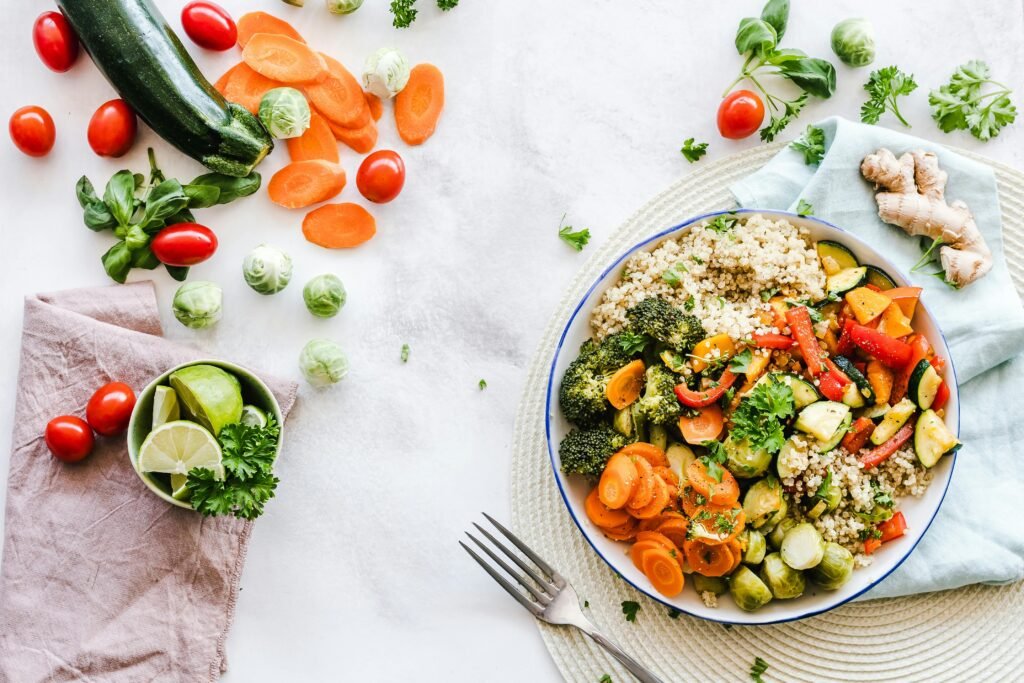
While intermittent fasting doesn’t dictate specific foods, eating nutrient-dense meals will maximize your results.
- Lean proteins: Chicken, fish, eggs, tofu
- Healthy fats: Avocados, nuts, olive oil
- Complex carbs: Brown rice, quinoa, oats
- Fruits & vegetables: For vitamins, fiber, and antioxidants
- Hydration: Water, herbal teas, black coffee (no sugar)
Avoid sugary drinks, processed snacks, and overeating once your fasting period ends.
Tips for Beginners
Getting started with intermittent fasting may take some adjustment. Here are a few tips:
- Start Slow: Begin with a 12-hour fast and gradually increase to 14 or 16 hours.
- Stay Hydrated: Drink plenty of water during fasting periods to avoid fatigue or headaches.
- Listen to Your Body: It’s normal to feel hungry at first, but stop if you feel dizzy or weak.
- Plan Your Meals: Preparing balanced meals in advance will prevent unhealthy binge eating.
- Avoid Overeating: Don’t use fasting as an excuse to eat junk food — quality still matters!
Is Intermittent Fasting Safe for Everyone?
While intermittent fasting can benefit many people, it’s not for everyone. Avoid or consult your doctor first if you:
- Have diabetes or low blood sugar issues
- Are pregnant or breastfeeding
- Have a history of eating disorders
- Are underweight or malnourished
Final Thoughts
Intermittent fasting is a simple, flexible, and effective way to improve your health and manage your weight. It doesn’t require complicated meal plans or calorie counting — just consistency and mindfulness.
If you’re curious, try starting with a 12–14 hour fasting window and see how your body responds. With time and practice, intermittent fasting can become a powerful habit in your wellness routine.